
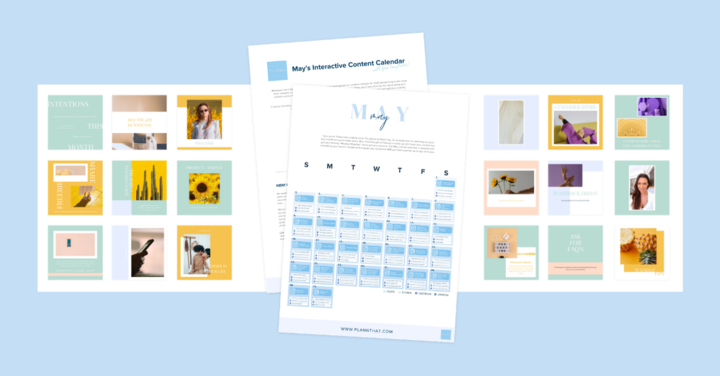
In today’s digital age, content marketing is essential for businesses
of all sizes. It helps companies to build brand awareness, establish
themselves as thought leaders in their industry, and ultimately drive
more traffic and conversions to their website. However, creating content
that resonates with your target audience can be challenging, especially
when you have to juggle multiple tasks as a marketer. This is where a
content calendar comes in handy
A content calendar is a schedule
that outlines the topics, formats, and deadlines for your content
marketing efforts. It helps you to plan and organize your content
strategy, ensuring that you publish relevant and engaging content
consistently. In this article, we’ll discuss everything you need to know
about developing a content calendar, from the benefits of using one to
the steps involved in creating it
Benefits of Using a Content Calendar
Before we dive into the steps for creating a content calendar, let’s first examine the benefits of using one:
1. Improved Efficiency: A content calendar allows
you to plan and schedule your content in advance, so you don’t have to
scramble at the last minute to come up with ideas or create content.
This saves time and allows you to focus on other important tasks
2. Better Organization:
With a content calendar, you can keep track of all your content ideas
and assets in one place, making it easier to manage and organize your
content
3. Consistency: By planning and
scheduling your content in advance, you can ensure that you publish
content on a consistent basis. This helps to build trust with your
audience and keeps them engaged with your brand
4. Strategic Planning:
A content calendar helps you to align your content with your overall
marketing strategy, ensuring that your content supports your business
goals
5. Collaboration: A content calendar
allows you to involve your team members in the content creation process,
making it easier to collaborate and ensure that everyone is on the same
page
Steps for Creating a Content Calendar
Now that we’ve discussed the benefits of using a content calendar, let’s look at the steps involved in creating one:

Step1: Define Your Content Goals
The first
step in creating a content calendar is to define your content goals.
What do you want to achieve with your content? Do you want to increase
brand awareness, generate leads, or drive more traffic to your website?
Your content goals will help you to determine the type of content you
should create and the topics you should cover
Step2: Identify Your Target Audience
The
next step is to identify your target audience. Who are you creating
content for? What are their interests, pain points, and needs?
Understanding your audience will help you to create content that
resonates with them and keeps them engaged
Step3: Conduct Content Research
Once
you’ve defined your content goals and identified your target audience,
it’s time to conduct content research. Look at what your competitors are
doing and what type of content is resonating with your target audience.
Use tools like Google Trends, Buzzsumo, and Ahrefs to identify popular
topics and keywords in your industry
Step4: Choose Your Content Formats
The
next step is to choose your content formats. Will you create blog
posts, videos, infographics, podcasts, or a combination of these?
Consider your target audience and the type of content they prefer to
consume
Step5: Create a Content Calendar Template
Now
that you’ve gathered all the necessary information, it’s time to create
a content calendar template. There are many tools available that can
help you create a content calendar, including Google Sheets, Trello, and
Asana. Your content calendar should include the following information:-
Content topic
– Content format
– Deadline
– Publishing date
– Target audience
– Keywords
– Calls-to-action
Step6: Plan Your Content
Once you’ve created your content calendar template, it’s time to start planning your content. Use the information you gathered in the previous steps to come up with content ideas that align with your content goals and target audience
Step7: Assign Tasks and Collaborate
After planning your content, assign tasks to your team members and collaborate on content creation. This ensures that everyone is on the same page and that your content is consistent and aligned with your overall marketing strategy
Step8: Analyze and Optimize
Finally, it’s crucial to analyze and optimize your content calendar regularly. Use analytics tools like Google Analytics and social media analytics to track your content’s performance and adjust your content strategy accordingly
Conclusion
In conclusion, a content calendar is a valuable tool for any business looking to improve its content marketing efforts. By defining your content goals, identifying your target audience, conducting research, choosing your content formats, creating a content calendar template, planning your content, assigning tasks and collaborating, and analyzing and optimizing your content, you can create a successful content marketing strategy that drives traffic and conversions to your website.
IMPORTANT: If you enjoyed this article then give Marketing University Equalizer a try. Create your free account right now and have full access for 14 days. Click here to get started


No comments:
Post a Comment
Note: Only a member of this blog may post a comment.